
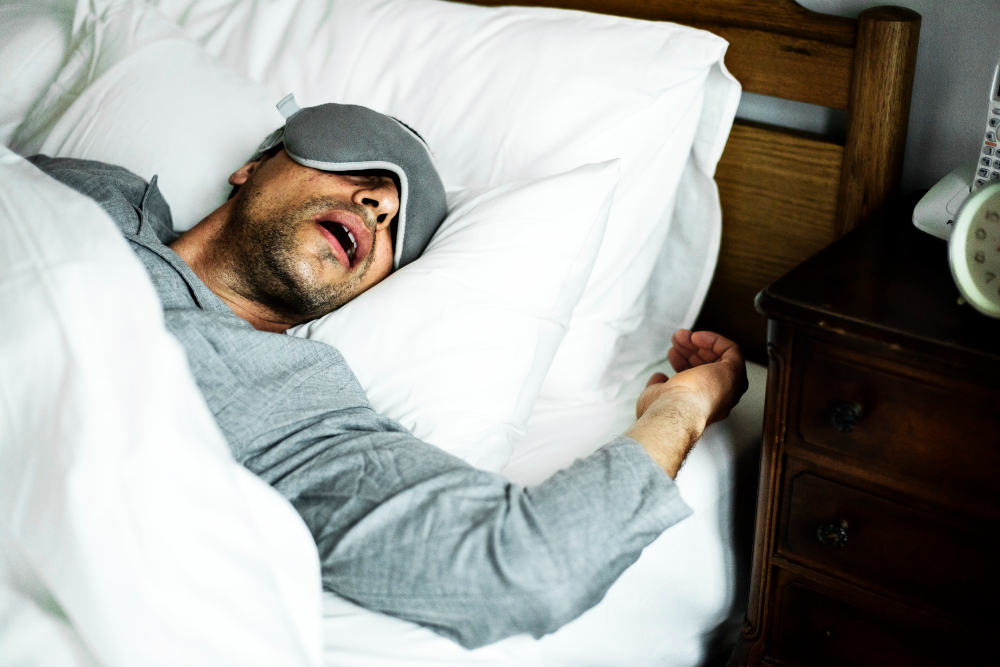
What Is Sleep Apnea?
Many people have trouble sleeping, but sleep apnea is a hidden problem that affects breathing during sleep. In fact, sleep apnea causes your breathing to stop and start many times at night. Because these pauses can last for seconds or even longer, your body may not get enough oxygen. As a result, you might feel tired during the day even after a full night’s sleep. According to the Centers for Disease Control and Prevention (CDC), sleep apnea is a common sleep disorder. There are two main types: obstructive sleep apnea and central sleep apnea. Obstructive sleep apnea happens when the throat muscles relax and block the airway. Central sleep apnea is less common and involves the brain not sending proper signals to the muscles that control breathing.
Common Symptoms of Sleep Apnea
Often, people do not realize they have sleep apnea. However, certain signs can help you spot this hidden condition. For example, you may notice:
Because these symptoms can be mild or seem like other problems, many people do not get help right away. Yet, noticing these signs early can make a big difference.
Causes and Risk Factors
Sleep apnea can affect anyone, but some people have a higher risk. For instance, being overweight increases the chance of airway blockage. Additionally, having a large neck or small airway can make breathing harder at night. Other risk factors include:
Because some medicines and health conditions can also raise your risk, it is important to talk to your doctor if you notice symptoms. The World Health Organization (WHO) notes that untreated sleep apnea can lead to heart problems, high blood pressure, and even stroke.
How Sleep Apnea Is Diagnosed
Doctors use several steps to diagnose sleep apnea. First, they ask about your symptoms and medical history. Next, they may do a physical exam to check your airway and neck. Often, a sleep study is needed. During this test, you sleep overnight in a clinic or at home with special equipment. The test records your breathing, heart rate, and oxygen levels. Because sleep apnea diagnosis can be tricky, it is important to share all your symptoms with your doctor. In many cities, you can find sleep clinics that offer sleep apnea diagnosis and treatment.
Treatment Options for Sleep Apnea
There are several ways to treat sleep apnea. The right treatment depends on the type and severity of your condition. Common treatment for sleep apnea includes:
Because each person is different, your doctor will help you choose the best option. According to the American Academy of Sleep Medicine, CPAP is often the first choice for moderate to severe obstructive sleep apnea symptoms.
Lifestyle Tips for Managing Sleep Apnea
While medical treatment is important, making changes at home can also help manage sleep apnea. For example, you can:
Because these steps can make a big difference, try to include them in your daily routine. If you need extra support, many sleep apnea treatment centers in your area can offer advice and resources.
Preventing Sleep Apnea
Although not all cases can be prevented, you can lower your risk of sleep apnea by making healthy choices. For instance, you can:
Because early action can prevent serious health problems, it is wise to Consult M. Srinivasa Reddy if you notice any signs of sleep apnea. Reliable sources like the CDC and WHO recommend regular check-ups for people at risk.