What is Pulmonary Edema?
Pulmonary edema is a condition where fluid builds up in the lungs. Because of this, it becomes hard to breathe. The lungs need to stay dry to work well. However, when fluid enters the air spaces, oxygen cannot move into the blood as easily. As a result, people may feel short of breath or even struggle to breathe. Pulmonary edema can happen suddenly or develop slowly over time. Early recognition is important for better outcomes.
Common Causes of Pulmonary Edema
There are several reasons why fluid may collect in the lungs. Some causes are related to heart problems, while others are not. Understanding these causes can help with prevention and treatment.
Sometimes, more than one factor may be involved. Therefore, it is important to know your risk factors.
Recognizing Symptoms
Symptoms of pulmonary edema can appear quickly or develop over time. Early signs may be mild, but they can get worse fast. Knowing the symptoms helps you act quickly.
For example, if you notice these symptoms after a heart problem or illness, seek help right away.
How Pulmonary Edema is Diagnosed
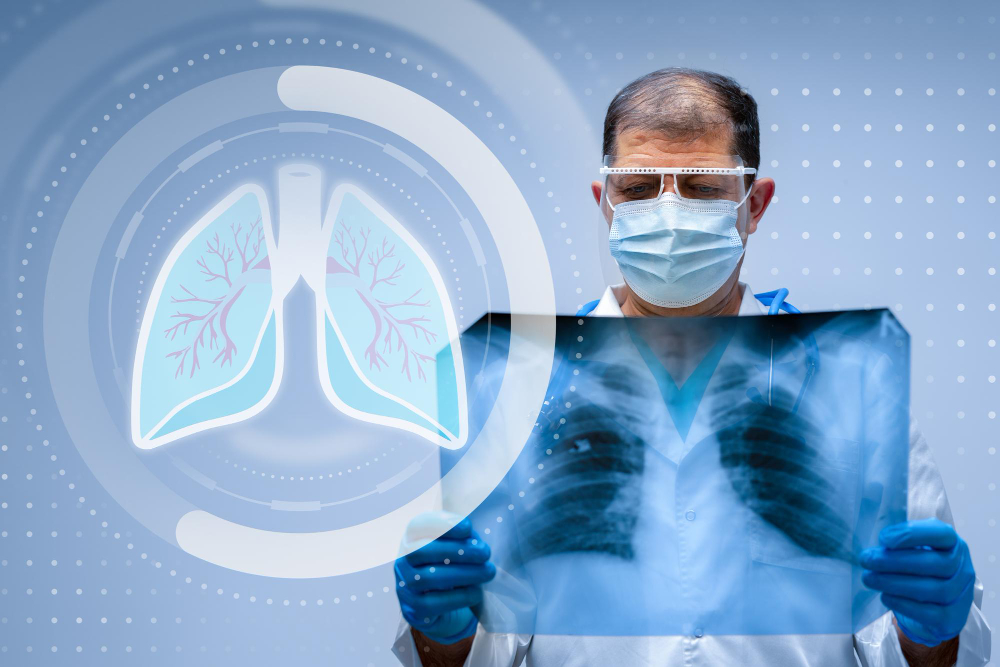
Doctors use several methods to diagnose pulmonary edema. First, they ask about your symptoms and medical history. Next, they perform a physical exam. They may listen to your lungs for crackling sounds. In addition, doctors often use tests to confirm the diagnosis.
Because early diagnosis is key, do not delay if you notice symptoms.
Treatment Options
Treatment for pulmonary edema depends on the cause and how severe it is. The main goal is to remove extra fluid and improve breathing. Doctors may use several approaches.
With prompt treatment, many people recover well. However, ongoing care may be needed to prevent future episodes.
Prevention and Lifestyle Tips
Although not all cases can be prevented, you can lower your risk. Simple changes can make a big difference. Here are some helpful tips:
Because prevention is easier than treatment, follow these steps to protect your lungs and heart.
When to Seek Medical Help
Pulmonary edema can become life-threatening if not treated quickly. Therefore, seek emergency care if you or someone you know has:
Even if symptoms seem mild, it is always safer to get checked by a healthcare provider. Early action can save lives.
If you or someone you know experiences symptoms of pulmonary edema, consult Dr. Srinivasa Reddy for personalized guidance.