Introduction to Bronchoscopy
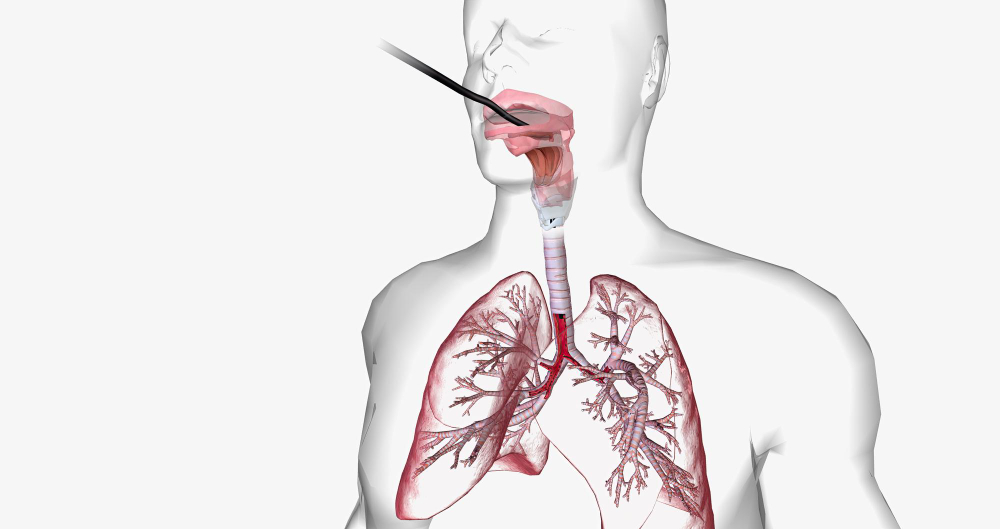
Bronchoscopy is a medical test that lets doctors look inside your airways and lungs. During this procedure, a thin, flexible tube called a bronchoscope is gently passed through your nose or mouth. This tube has a light and camera, so doctors can see your airways clearly. Often, bronchoscopy helps find the cause of lung problems, such as cough, infection, or unusual chest X-rays. According to the CDC, bronchoscopy is a safe and common way to check lung health.
When and Why Bronchoscopy Is Recommended
Doctors may suggest bronchoscopy for several reasons. For example, it helps find the cause of a long-lasting cough. Sometimes, it checks for infections or removes a blockage. In addition, bronchoscopy can help diagnose lung diseases, such as cancer or tuberculosis. If you have abnormal chest X-rays or CT scans, your doctor might recommend this test. Bronchoscopy is also used to collect tissue samples for further testing.
How to Prepare for Bronchoscopy
Before your bronchoscopy, your doctor will give you clear instructions. Usually, you should not eat or drink for at least six hours before the test. This helps prevent choking. Also, tell your doctor about any medicines you take. Sometimes, you may need to stop certain medicines, such as blood thinners. If you have allergies or health problems, share this information with your healthcare team. Most people arrange for someone to drive them home after the test.
Step-by-Step Overview of the Bronchoscopy Procedure
Knowing what happens during bronchoscopy can help you feel more at ease. First, you will get a local anesthetic to numb your throat. Sometimes, you may also get medicine to help you relax. Next, the doctor gently inserts the bronchoscope through your nose or mouth. The tube moves down your throat and into your airways. While the doctor looks at your lungs, you may feel slight pressure but not pain. If needed, the doctor may take small samples or remove mucus. The whole procedure usually takes 30 to 60 minutes. Afterward, you will rest until the medicine wears off.
Benefits of Bronchoscopy
Bronchoscopy offers many important benefits. For instance, it helps doctors find the cause of breathing problems quickly. Because it allows direct viewing, doctors can spot infections, tumors, or blockages. In some cases, bronchoscopy helps remove foreign objects or treat bleeding. As a result, this test can lead to faster and more accurate treatment. According to the World Health Organization, bronchoscopy is a valuable tool for diagnosing and managing lung diseases.
Possible Risks and Complications
Although bronchoscopy is safe, some risks exist. Most people have only mild side effects, such as a sore throat or cough. Rarely, more serious problems can occur. For example, there may be bleeding, infection, or a drop in oxygen levels. In very rare cases, the lung may collapse (pneumothorax). However, doctors watch closely for any problems during and after the test. If you feel chest pain, trouble breathing, or heavy bleeding after bronchoscopy, contact your doctor right away.
Recovery and Aftercare Tips
After bronchoscopy, you will rest until the numbness in your throat goes away. Usually, this takes about one to two hours. During this time, avoid eating or drinking to prevent choking. Once your throat feels normal, you can start with small sips of water. For the rest of the day, take it easy and avoid heavy activity. If you have a sore throat, warm drinks can help. Most people feel back to normal within a day. However, if you notice fever, chest pain, or trouble breathing, call your doctor.
Frequently Asked Questions
Conclusion
Bronchoscopy is a safe and helpful test for finding lung problems. It gives doctors a clear view of your airways and helps guide treatment. While risks are rare, it is important to follow your doctor’s advice. For personalized guidance about bronchoscopy, consult a pulmonologist M. Srinivasa Reddy.