
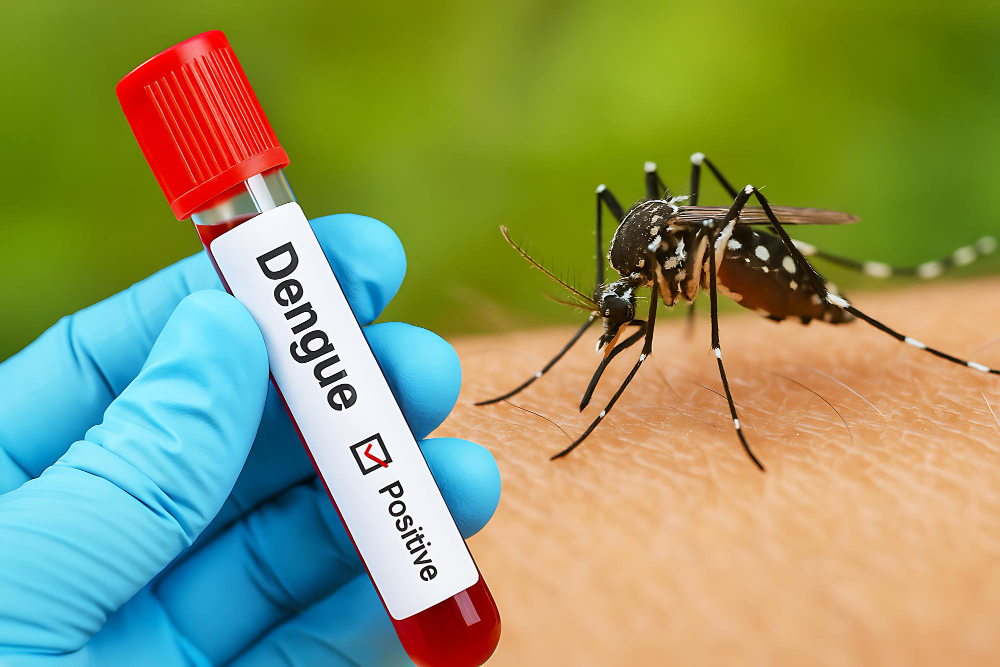
What is Dengue?
Dengue is a viral infection spread by mosquitoes. It is common in tropical and subtropical areas. According to the World Health Organization (WHO), millions of people get dengue each year. Although most cases are mild, some can become severe. Early detection and care can help prevent complications. Dengue is also known as “breakbone fever” because it can cause severe joint and muscle pain.
Common Symptoms of Dengue
Dengue symptoms usually appear four to ten days after a mosquito bite. Not everyone will have all symptoms. However, knowing the signs can help you seek care quickly. Common dengue symptoms include:
Sometimes, dengue can become severe. Warning signs include severe stomach pain, repeated vomiting, bleeding, or feeling very tired. If you notice these, seek medical help right away.
Causes and Transmission of Dengue
Dengue is caused by the dengue virus. There are four types of this virus. Mosquitoes, mainly Aedes aegypti, spread the virus. These mosquitoes bite during the day, especially early morning and late afternoon. If a mosquito bites a person with dengue, it can carry the virus and infect others. Dengue does not spread directly from person to person. However, living in areas with standing water increases your risk. Mosquitoes breed in water collected in containers, tires, or flower pots.
How Dengue is Diagnosed
Doctors diagnose dengue based on symptoms and travel history. However, lab tests confirm the infection. These tests look for the virus or antibodies in your blood. Early diagnosis is important. It helps doctors manage symptoms and prevent severe illness. According to the Centers for Disease Control and Prevention (CDC), you should tell your doctor if you have traveled to areas where dengue is common.
Treatment Options for Dengue
There is no specific medicine to cure dengue. Most people recover with rest and care at home. However, some may need hospital care if symptoms are severe. Treatment focuses on relieving symptoms. Common dengue fever treatment steps include:
Do not take aspirin or ibuprofen, as these can increase bleeding risk. If you feel worse or develop warning signs, seek medical help quickly.
Prevention Tips for Dengue
Preventing mosquito bites is the best way to avoid dengue. You can lower your risk by following these tips:
In some countries, a dengue vaccine is available for people who have had dengue before. However, it is not for everyone. Ask your doctor if the vaccine is right for you.
When to See a Doctor
If you have a high fever and live in or have traveled to a dengue area, see a doctor. Early care can prevent serious problems. You should also seek help if you have:
These may be signs of severe dengue, which needs urgent care.
In summary, dengue is a serious illness but can be managed with early care. Prevention is key. Consult Dr. M. Srinivasa Reddy if you suspect dengue or need personalized advice.