What is Tuberculosis?
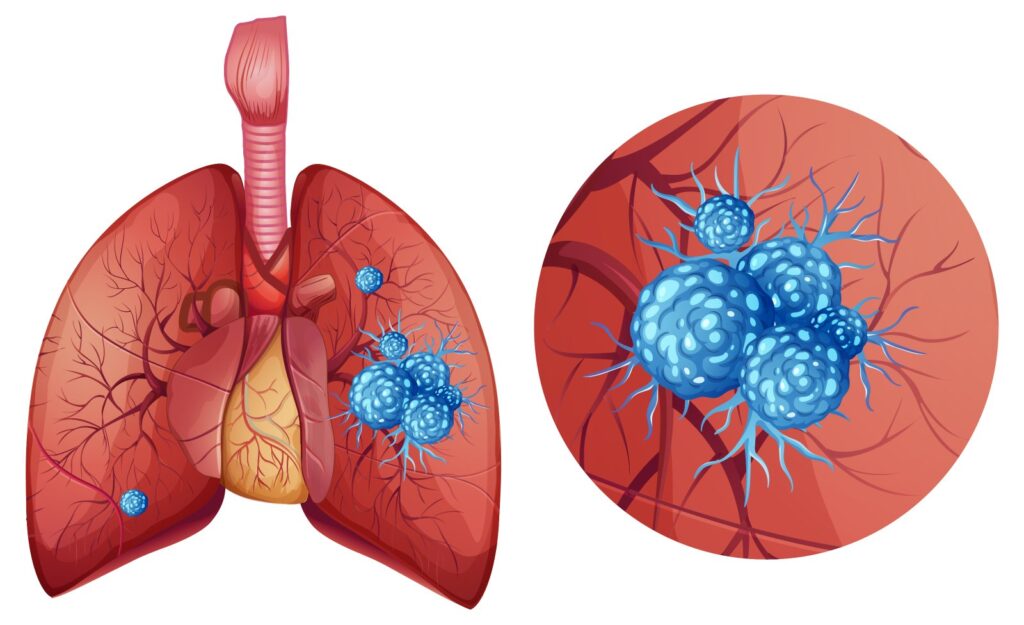
Tuberculosis is a serious infection caused by bacteria called Mycobacterium tuberculosis. This disease mainly affects the lungs, but it can also harm other parts of the body. Because tuberculosis spreads through the air, it is important to know how it works. When a person with active tuberculosis coughs or sneezes, tiny droplets with bacteria can enter the air. Others may breathe in these droplets and get infected. Although tuberculosis is treatable, it can be dangerous if not managed early. Therefore, learning about tuberculosis symptoms and prevention is important for everyone.
Symptoms of Tuberculosis
Not everyone with tuberculosis feels sick right away. Some people have what is called “latent” tuberculosis, which means the bacteria are in the body but not causing symptoms. However, when the infection becomes “active,” symptoms appear. Early detection helps prevent serious health problems. Common tuberculosis symptoms include:
Sometimes, tuberculosis affects other organs. In these cases, symptoms depend on the area involved. For example, tuberculosis in the kidneys may cause blood in the urine.
Causes and Risk Factors
Tuberculosis is caused by bacteria that spread from person to person through the air. However, not everyone exposed to the bacteria gets sick. Some people are more likely to develop active tuberculosis. For instance, people with weak immune systems face a higher risk. Other risk factors include:
Because these factors increase risk, it is important to take extra care if you fall into any of these groups.
How Tuberculosis is Diagnosed
Early diagnosis is key to stopping the spread of tuberculosis. But how is tuberculosis diagnosed? Doctors use several tests to find out if someone has the infection. First, they ask about symptoms and medical history. Next, they may perform a physical exam. Common tests include:
Because some tests take time, doctors may use more than one method to confirm the diagnosis.
Treatment Options for Tuberculosis
Tuberculosis treatment options are effective when started early. Most people need to take several antibiotics for at least six months. Although this may seem long, it is important to finish all the medicine. Otherwise, the bacteria can become stronger and harder to treat. The most common medicines include:
Doctors may adjust the treatment if the bacteria are resistant to certain drugs. In addition, regular check-ups help make sure the treatment is working. If you have questions about tuberculosis treatment options, talk to your healthcare provider.
Prevention and Lifestyle Guidance
Preventing tuberculosis is possible with simple steps. For example, covering your mouth when coughing helps stop the spread. In addition, good ventilation in homes and workplaces lowers the risk. Here are more tips for preventing tuberculosis:
Because tuberculosis can affect anyone, these steps help protect you and others.
When to See a Doctor
If you notice any tuberculosis symptoms, such as a long-lasting cough or fever, see a doctor right away. Early treatment can prevent serious problems. Also, if you have been in close contact with someone who has tuberculosis, get tested even if you feel fine. Remember, some people do not show symptoms at first. Therefore, regular check-ups are important if you are at higher risk.
Consult a healthcare specialist Dr. M. Srinivasa Reddy for personalized advice about tuberculosis.